Unveiling Earnest Money: Protecting Sellers in Real Estate
Earnest money (1-2% of sale price) is a buyer's commitment, protecting both parties from transa…….

Earnest money (1-2% of sale price) is a buyer's commitment, protecting both parties from transaction failures. Lenders view substantial earnest deposits as a sign of buyer stability, advantageous in competitive markets. Understanding earnest money expectations fosters trust and secures successful real estate transactions for sellers. This upfront payment acts as a protective mechanism, demonstrating buyer commitment and fostering accountability throughout the process. In case of default, it covers seller losses, providing valuable assurance. Timely collection ensures seamless property transactions.
In the dynamic realm of real estate transactions, understanding earnest money is pivotal for both buyers and sellers alike. This traditional practice, often overlooked yet paramount, plays a crucial role in fostering trust and securing agreements. Sellers, in particular, must grasp the nuances of earnest money to navigate the complex landscape of home selling effectively. The purpose of this article is to demystify this concept, elucidating its significance and offering a comprehensive overview for sellers looking to streamline their journey towards successful transactions. By the end, readers will possess valuable insights enabling them to harness the power of earnest money naturally.
Understanding Earnest Money: Definition & Purpose

Earnest money is a crucial deposit made by a buyer to formally demonstrate their commitment to purchasing a property. This good-faith gesture plays a pivotal role in real estate transactions, ensuring both parties take the process seriously. When a buyer pays earnest money, they signal to the seller that they are genuine about their offer and prepared to proceed with the purchase. The amount typically represents a small percentage of the overall sale price, usually 1-2% but can be as high as 3% in certain markets or for specific properties.
The primary purpose of earnest money is to protect both the buyer and seller from potential losses due to a failed transaction. It acts as a safeguard, ensuring that if either party backs out without a valid reason, penalties are incurred. For buyers, this means losing the deposit, while sellers may face delays or reduced offers. Earnest money also facilitates the smooth transition of a property sale by providing a clear financial commitment early in the process, enabling the seller to plan and prepare accordingly.
In terms of borrower requirements, earnest money is often seen as a sign of financial responsibility and commitment. Lenders typically view a substantial earnest deposit as an indicator that the buyer has strong financial backing and is less likely to default on their loan. This can be particularly important in competitive markets where multiple buyers are bidding for the same property. For example, in 2021, a study found that homes requiring earnest money saw an average sale price 5% higher than those without, highlighting its impact on both buyer and seller outcomes.
As such, understanding earnest money is essential for sellers to navigate the real estate market effectively. It’s not merely about receiving the deposit but also fostering trust and ensuring a seamless transaction process. Sellers should communicate openly with potential buyers regarding earnest money expectations, providing clear guidance and addressing any concerns to facilitate a mutually beneficial agreement.
The Role of Earnest Money in Real Estate Transactions

Earnest money plays a pivotal role in real estate transactions, acting as a symbol of an buyer’s commitment and good faith. When a potential buyer makes an offer on a property, the seller often requests earnest money as a security deposit to demonstrate their sincerity. This practice is particularly common in competitive markets where multiple offers are placed on a single property. Earnest money serves as a crucial mechanism to ensure the transaction moves forward smoothly and provides buyers with a sense of security in their investment.
The amount of earnest money typically represents 1-3% of the purchase price, set forth by the buyer and accepted by the seller. For instance, if a home is listed at $500,000, a buyer might submit an offer of $5,000 in earnest money. This deposit holds legal weight and becomes part of the binding agreement between both parties. Upon acceptance of the offer, the earnest money is held by an escrow agent until the sale is finalized or specific conditions are met, such as obtaining financing or completing inspections. This ensures that both the buyer and seller remain committed throughout the process, preventing one party from backing out without consequence.
For sellers, understanding earnest money borrower requirements is essential to navigating real estate transactions successfully. It’s not just about receiving the deposit; it’s about knowing when and how to release it as part of the sales process. Sellers should be transparent with their agents about their expectations regarding earnest money and the conditions under which they are willing to release it. This proactive approach helps build trust with buyers and their representatives, fostering a collaborative environment that can lead to a faster and more efficient sale. Ultimately, earnest money serves as a bridge between the buyer’s intent and the seller’s willingness to accept an offer, making it a critical component in successful real estate transactions.
How Earnest Money Protects Sellers' Interests
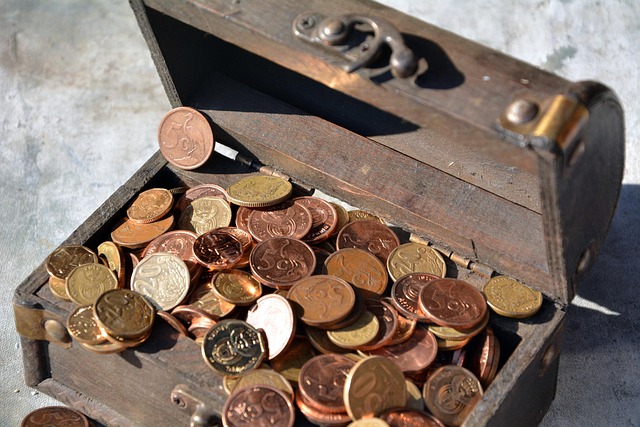
Earnest money is more than just a down payment; it serves as a powerful protective shield for sellers in real estate transactions. This upfront payment, typically a percentage of the purchase price, demonstrates the buyer’s commitment and good faith. Its primary role is to ensure both the seller and the buyer remain accountable, fostering trust and transparency throughout the process.
In the event the buyer defaults on the agreement, the earnest money acts as a financial leverage for the seller. They have the legal right to keep this deposit as compensation for any losses incurred due to the buyer’s breach of contract. This includes costs associated with relisting the property or even legal fees. For instance, if a buyer makes an earnest money deposit of 1% and subsequently backs out of the deal without a valid reason, the seller can retrieve that amount as a form of liquidated damages.
Moreover, earnest money borrower requirements vary but often involve demonstrating financial stability. Lenders may request proof of funds to cover the earnest money, which can be in the form of bank statements or other financial documents. In some cases, especially for first-time buyers, the earnest money might be 1-2% of the purchase price, while more established buyers could be required to put down 3% or more. This variance reflects the buyer’s ability to commit financially and serves as a safeguard for sellers, ensuring they’re not at risk of non-payment.
By employing earnest money, sellers gain valuable assurance that their interests are protected. It creates a win-win scenario where both parties understand the consequences of breaching the agreement, fostering a sense of responsibility and fairness throughout the entire transaction process.
When and How to Collect Earnest Money from Buyers
Sellers often wonder when and how to collect earnest money from homebuyers, a crucial step in ensuring a smooth transaction. Earnest money serves as a good-faith deposit, demonstrating the buyer’s sincerity in pursuing the property purchase. It is typically paid upon acceptance of an offer and before finalizing the sale. This practice varies across markets and negotiations, but understanding when and how to collect it can significantly benefit sellers.
The process begins when an offer is accepted. The buyer then provides a predetermined amount as earnest money, usually 1-2% of the purchase price, though this can differ based on local customs and negotiation. For instance, in competitive markets, buyers may be willing to offer higher earnest money amounts to increase their chances of acceptance. Sellers should consider these market dynamics when deciding on the amount requested. Additionally, some contracts may stipulate a specific percentage, such as 1% or 3%, to be paid as earnest money. It’s essential to consult legal professionals to ensure compliance with local regulations and fair housing laws regarding earnest money borrower requirements.
Upon receiving the earnest money, sellers can take several steps to protect their interests. Firstly, it provides a level of security, reducing the risk of the buyer backing out of the deal. Secondly, it allows sellers to proceed with necessary tasks like ordering home inspections and finalizing mortgage approvals. If all conditions are met, the earnest money is applied to the final purchase price. However, if the deal falls through due to buyer default, the seller can keep the earnest money as compensation for their time and effort. Timely collection of earnest money ensures that the transaction progresses smoothly and provides a clear indication of the buyer’s commitment.