Mastering Earnest Money: A Seller’s Comprehensive Guide
Earnest money (1-3% purchase price) is a buyer's good faith deposit, protecting sellers from de…….

Earnest money (1-3% purchase price) is a buyer's good faith deposit, protecting sellers from defaults. It demonstrates commitment, fosters trust, and offers financial security. Both buyers and sellers should strategize: buyers contribute 1-2%, sellers evaluate against contingencies, considering lender requirements (up to 3%). Effective management facilitates smoother transactions.
In the dynamic realm of real estate transactions, understanding earnest money is paramount for both buyers and sellers. Earnest money—a good-faith deposit made by a buyer to demonstrate their sincerity in purchasing a property—is more than just a formality; it’s a crucial component shaping the negotiation landscape. However, many sellers often find themselves navigating uncharted waters when it comes to this critical aspect. This article serves as your comprehensive guide, demystifying earnest money and empowering sellers with knowledge to make informed decisions, ensuring a smoother and more successful selling journey. By the end, you’ll grasp the significance of earnest money and how it facilitates a seamless transition from listing to closing.
Understanding Earnest Money: A Seller's Guide

Earnest money is a crucial aspect of real estate transactions, especially for sellers. It represents a good-faith deposit from a buyer to demonstrate their sincerity in purchasing a property. This practice varies by region and transaction type but generally plays a significant role in ensuring both parties are committed to the deal. For sellers, understanding earnest money is essential to navigate the sales process smoothly and make informed decisions.
When a buyer makes an offer on a property, including earnest money, they’re not just submitting a number; they’re making a serious commitment. Earnest money borrower requirements typically range from 1% to 3% of the purchase price, depending on local customs and the lender’s policies. For instance, in competitive markets, buyers may be advised to offer a higher percentage to show stronger financial position and genuine interest. This deposit is held by the seller or their agent until the sale closes or specific conditions are met, such as failure to meet financing requirements. If all goes according to plan, the earnest money is applied towards the final purchase price, reflecting the buyer’s good faith.
However, if circumstances change, and the buyer withdraws from the deal without a valid reason (like a significant drop in property value), the seller may have the right to keep the earnest money as liquidated damages. This provision is designed to compensate sellers for the time, effort, and expenses incurred during the initial stages of the sale. It’s crucial for sellers to be aware of these terms and conditions to protect their interests effectively. Furthermore, understanding earnest money allows sellers to negotiate better terms, ensuring they receive fair compensation and minimizing potential losses.
What Is Earnest Money and Why Is It Important?

Earnest money is a crucial component in real estate transactions, serving as a good faith deposit from a buyer to a seller upon accepting an offer. It demonstrates the buyer’s commitment to the purchase and helps create a sense of security for the seller, assuring them that the buyer is serious about proceeding with the sale. The term “earnest money” naturally implies sincerity and integrity in the negotiation process, which is vital for fostering trust between both parties.
For sellers, understanding earnest money is essential for navigating the sales process effectively. When a buyer makes an offer accompanied by earnest money, it signifies their willingness to go through with the purchase. This deposit is typically a percentage of the sale price, often 1-2% in most markets. The amount varies based on local customs and negotiation but should be a meaningful gesture from the buyer to demonstrate their financial stability. For instance, for a property priced at $300,000, an earnest money deposit might range from $3,000 to $6,000, showcasing the buyer’s genuine interest without being overly burdensome.
The significance of earnest money borrower requirements cannot be overstated. It acts as a protective measure for sellers by providing recourse if the buyer defaults on the deal. In the event of a breach of contract or failure to meet financing conditions, the seller can keep the earnest money as compensation. This practice ensures that sellers are not left high and dry after expending time and resources preparing for a sale. Moreover, it encourages buyers to take their obligations seriously, aligning incentives for both parties to fulfill their roles in completing the transaction successfully.
The Process: How Earnest Money Works for Sellers

Earnest money is a crucial component of the real estate transaction process, especially for sellers. It serves as a good faith deposit from the buyer, demonstrating their commitment to the purchase. This financial gesture plays a pivotal role in securing the deal and providing assurance to the seller that the buyer is serious about proceeding with the sale. The process begins when a buyer makes an offer on a property, accompanied by a specified amount of money as earnest money. This deposit is typically a small percentage of the overall purchase price but signifies the buyer’s sincerity and financial capability.
When a seller accepts the offer, they usually request the earnest money to be paid immediately or within a short timeframe. This money is held in an escrow account by a neutral third party, such as a title company or attorney. The funds remain there until the transaction is finalized, ensuring their safety and secure handling. During this period, the buyer’s financial qualifications are thoroughly vetted. Lenders will assess the borrower’s creditworthiness, income, and debt-to-income ratio to ensure they can obtain financing for the property. This process helps sellers gauge the buyer’s ability to follow through with the purchase and provides a buffer against potential issues down the line.
The amount of earnest money required varies but is often 1-2% of the purchase price, although some states have specific legal requirements. For instance, in California, buyers typically pay 1.5% of the sale price as earnest money. This deposit is more than just a token gesture; it acts as protection for the seller in case the buyer backs out of the deal or fails to meet their obligations. If the buyer defaults, the seller can use the earnest money to cover any losses or expenses incurred during the transaction. Conversely, if the seller breaches the contract, the buyer may be entitled to keep the deposit as liquidated damages. Understanding these mechanisms is vital for both parties to navigate the process smoothly and ensure a mutually beneficial outcome.
Benefits and Considerations: Maximizing Your Earnest Money
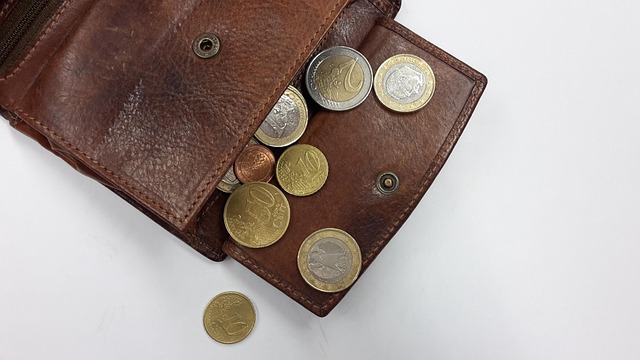
Earnest money, a significant deposit made by a buyer to formally express interest in purchasing a property, offers several key benefits for sellers. Firstly, it demonstrates the buyer’s commitment, assuring sellers that the prospective purchaser is serious and ready to proceed with the transaction. This is particularly valuable in competitive markets where multiple offers might be received, helping sellers evaluate the most promising proposals. Furthermore, earnest money acts as financial security, protecting sellers from last-minute cancellations or renegotiations, which can be emotionally and financially draining.
However, effectively maximizing the benefits of earnest money requires careful consideration on both the buyer’s and seller’s parts. For instance, buyers should aim to contribute an amount that reflects their sincerity while also considering their financial capacity. A common practice is to offer 1-2% of the purchase price as earnest money, though this can vary based on market conditions and individual circumstances. Sellers, in turn, should evaluate the earnest money received against potential contingencies and repair costs, ensuring a reasonable buffer for unexpected issues. For instance, if structural repairs are anticipated, a higher earnest money deposit might be prudent to safeguard against unforeseen expenses.
Additionally, understanding borrower requirements is crucial. Lenders typically require adequate earnest money to cover inspection fees, appraisals, and other closing costs, which can range from 1-3% of the purchase price. This ensures that all parties involved are adequately protected throughout the transaction. By strategically managing earnest money, sellers can create a win-win scenario where they secure a legitimate offer while buyers demonstrate their financial commitment, setting the stage for a smoother and more successful closing process.